
Walk through any gear-heavy corner of the internet, and you will find people who know the weight of every titanium stake to the tenth of a gram. They track new DCF or Alpha fleece releases the way others monitor draft picks. They treat LighterPack as holy writ and debate whether a spare car key in a pocket counts as base weight. They buy the newest ultralight shelter, use it twice, then list it on a gear-swapping forum when something lighter comes along.
Nothing wrong with any of that. But let’s call it what it is: Gear as a hobby.
The hiking is incidental. The optimization is the point.
Think about classic car collectors.
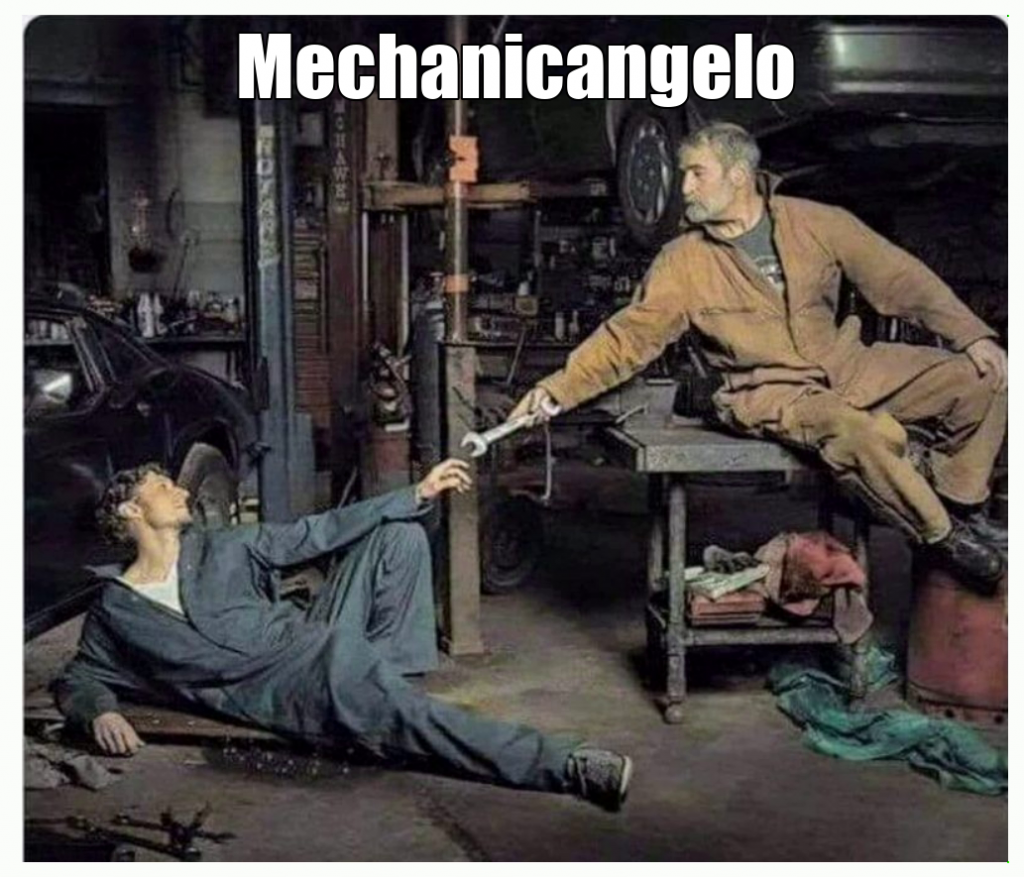
From Chameleon Memes
The serious ones can tell you the cubic inches and package options of a classic Mustang from memory. They spend weekends under the hood, source correctly dated parts, and argue fuel mixtures in forums. The car gets driven to the show, driven home, and put back in the garage. The driving justifies the collecting and futzing around with socket wrenches. It is not always the reason they got into it.
Hobbies are fine. But consider the difference between a tool that enables the experience and a tool that becomes the experience itself.
When my laptop started showing its age, I installed Linux Mint and moved on. Not because I wanted to become a Linux evangelist. Because I wanted the computer to be a tool that worked, not a hobby in itself. The hobbyist installs Arch and spends the weekend configuring the bootloader. Both people end up with a running system. But one person sees the system as a tool that enables the work. The other sees the system as the work itself.
Neither option is wrong, but the goal changes.
Ultralight gear hobbyists work the same way. They are to ultralight what backyard mechanics are to sports cars: people who enjoy the optimization and tinkering as the hobby rather than the hiking itself. The occasional hike is the auto show. It gives the gear somewhere to go.
In many ways, the online ultralight community is a collection of hobbyists who tinker with spreadsheets rather than engines. It presents itself as a community of hikers optimizing for field performance. Instead, much of it functions as a gear-collecting community that uses hiking as its narrative frame. Lightweight gear with heavyweight consumerism.
The tell comes from what gets celebrated. A new tent drops, and hundreds of comments and debates follow. The focus stays on acquisition and refinement, not on going out and staying out.
Over the course of my hiking “career,” I started heavy and got lighter over time because being lighter made the hiking easier, not because I cared about the number. My goal is to spend time in wild places safely. That weight dynamic changes by route, by season, by objective, and by what I know about the terrain.
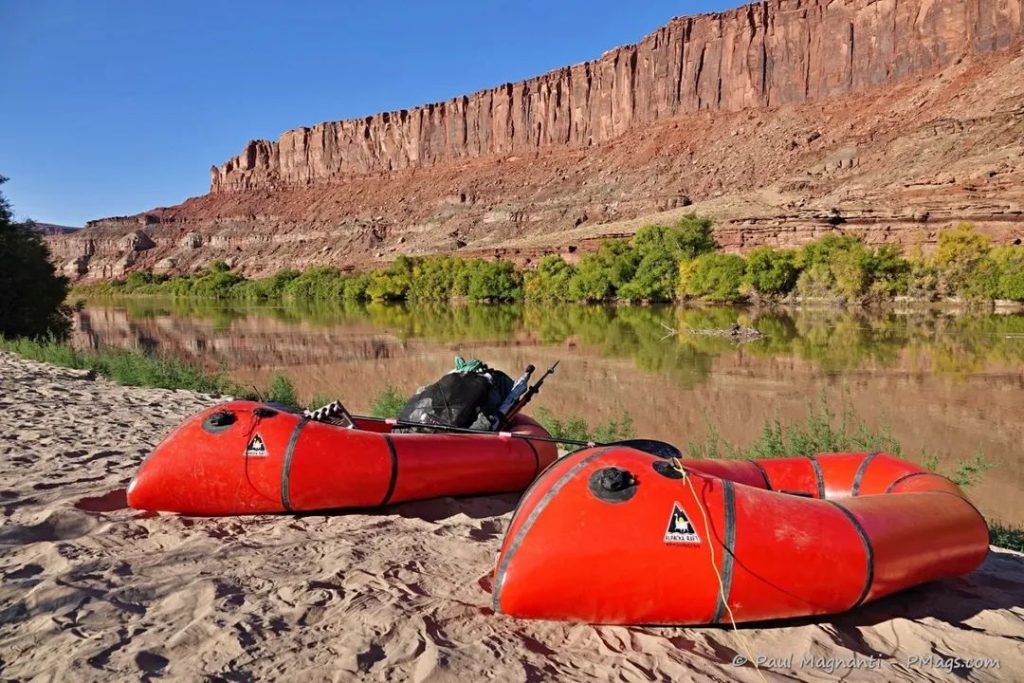
“Use It Up, Wear It Out, Make It Do, or Do Without” still frames it well. More than eighty years later, this World War II slogan still holds. All gear wears out. You replace it when it wears out, or when something genuinely better appears, and you can justify the cost and consumption. You do not replace it because a newer version dropped, and you want the newer version.
Joan and I buy new gear, of course. Things wear out. Techniques improve, and sometimes the toolkit reflects that.
But there is a wide distance between replacing worn-out gear held together with dental floss and cycling through shelter systems because a twelve-gram savings appeared. One is maintenance. The other is buying the shiny new thing and dressing it up as optimization.
The real work of ultralight is not reducing pack weight. The real work is developing judgment. That judgment comes from time in the field and experience, not from spreadsheets. You cannot “forum” your way into it. Experience dictates whether you carry 2L or 6L of water in canyon country, and how, not what looks good on a spreadsheet.
Earl Shaffer said it best on his historic 1948 thru-hike, and the logic still holds today: Carry as little as possible, but choose that little with care.
Ultralight done right is a flexible toolkit for carrying just enough to stay safe, adapt to conditions, and stay fully present in the experience while carrying the correct tools for the job at hand. The weight number is a benchmark for good decisions that enhance the experience, not the goal itself.
If gear tinkering and consumption are the hobbies you want, enjoy them.
IYKYK
The gear community has real knowledge and certainly helped me as I tinker with my own toolkit. But do not confuse it with backcountry competence. Buying parts and optimizing them is a hobby in itself. The auto show is not the same as learning to drive in the snow or along a winding mountain road.
Nor is regurgitating specs and memorizing fabric types the same as schlepping a pack up a mountain pass.
In the words of Ray Jardine, “We celebrate not the trail, but the wild places it passes through.”
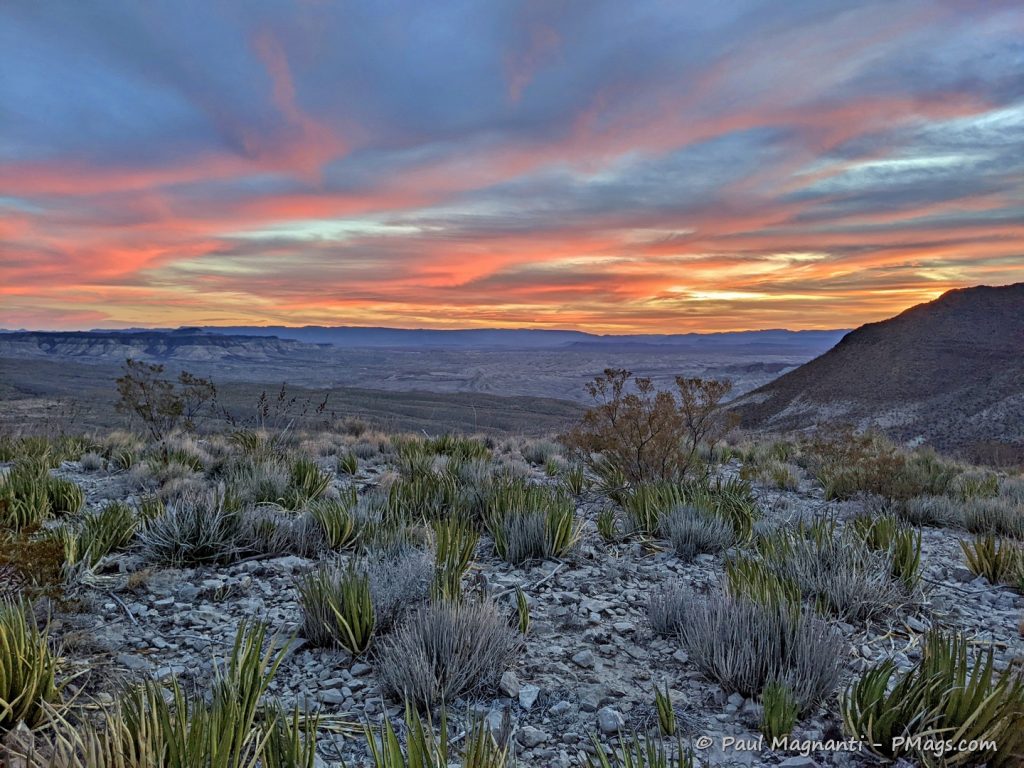
Perhaps we should also add: We do not celebrate the gear we carry, nor the trail itself, but the wild places we pass through.
I strongly align with this point of view, and yet the pressures of a consumerist society mount on the back of my mind and pull me toward unnecessary spending. It is so refreshing to be reminded of what matters (and what doesn’t). Thanks Paul.