
The mayor of Willcox in southern Arizona is optimistic that Chiricahua National Monument will soon be the country’s 64th National Park.
A bill recently passed by Congress to create Chiricahua National Park is sitting on President Donald Trump’s desk.
Mayor Greg Hancock says that designation could lead to an uptick in visitors and more jobs.
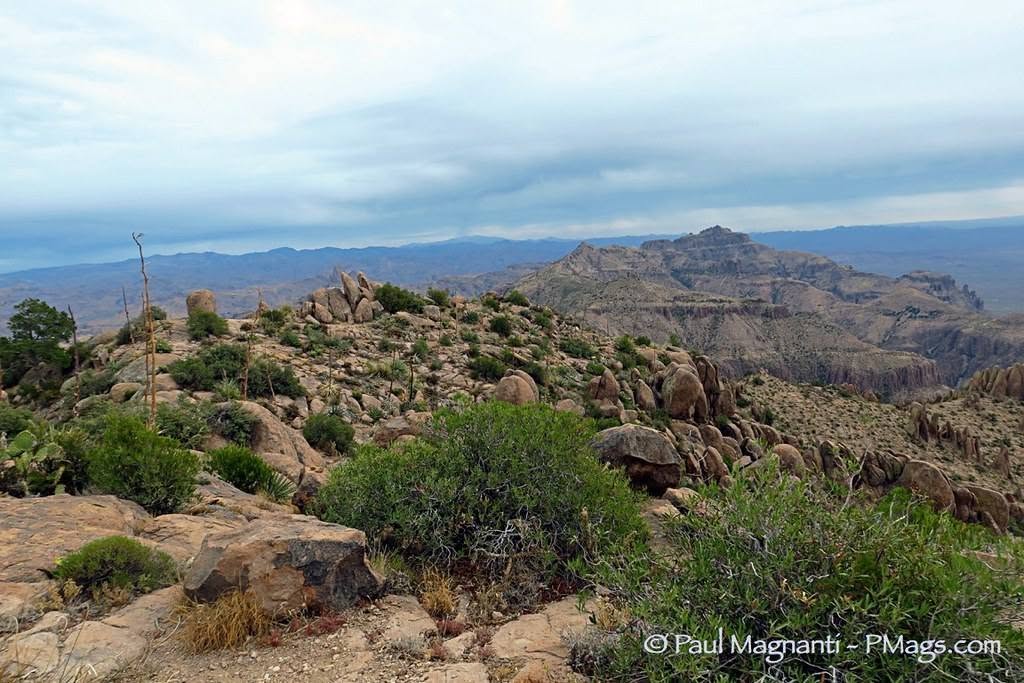
National monuments protect some extraordinary landscapes. But when it comes to attracting visitors and tourism dollars, nothing quite matches the National Park label.
A simple national monument doesn’t attract the same traffic as a National Park. People want to visit the visitor center, collect their passport stamp, grab a T-shirt, head to their Airbnb in a gateway town, and move on to the next stop in their Pokémon quest.
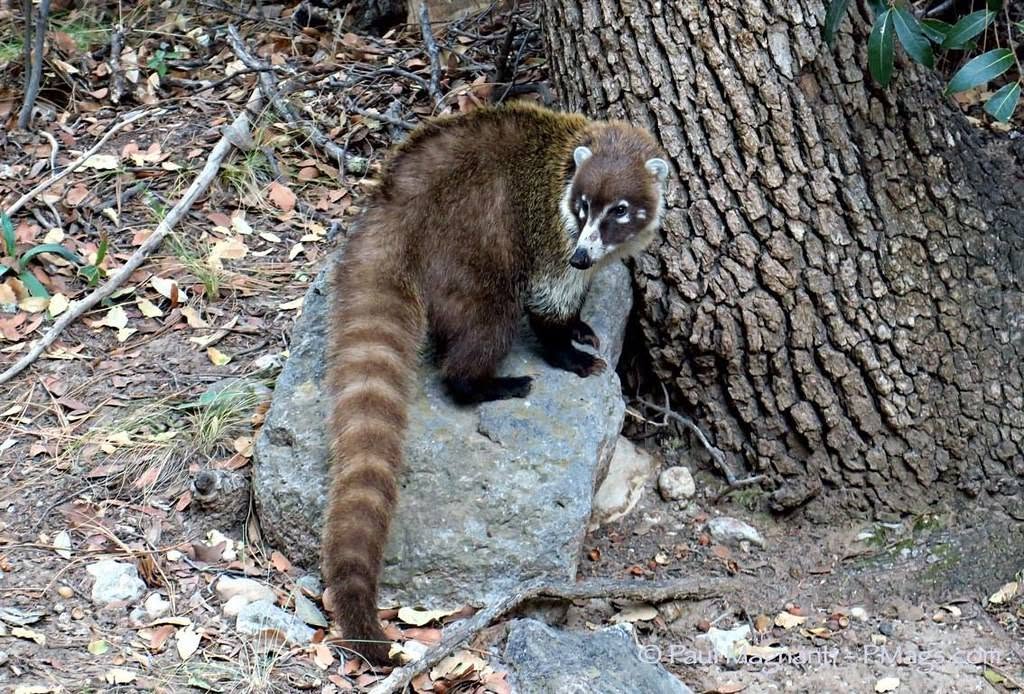
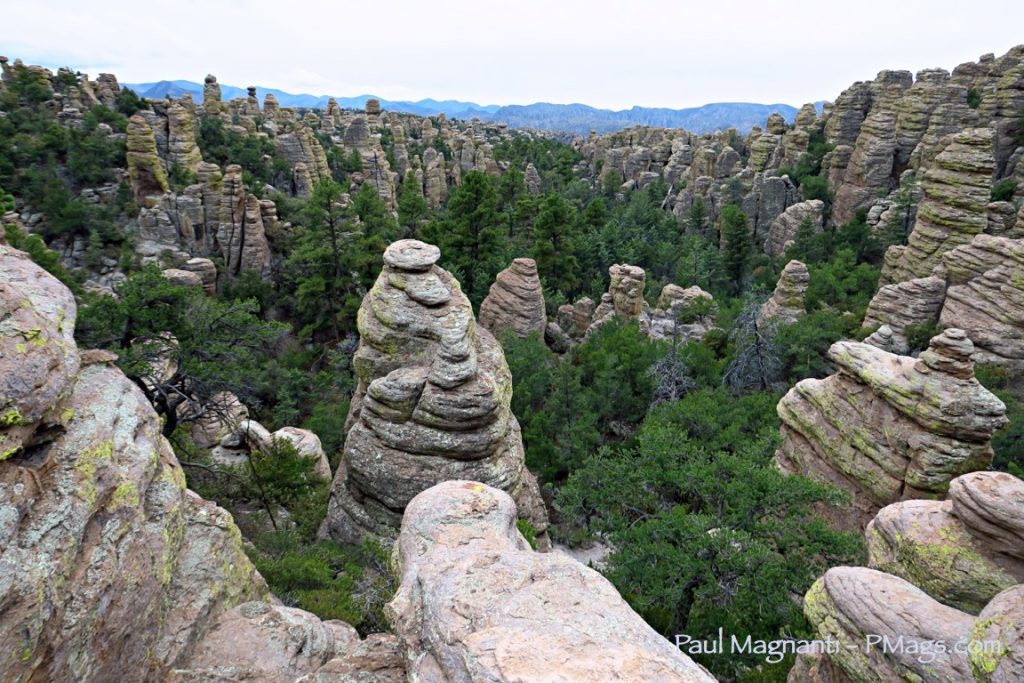
That brings us to the latest news: Chiricahua National Monument will likely become Chiricahua National Park.
It’s a lovely monument. Quiet, isolated, and intimate.
But it’s also small, with a modest campground, limited parking, and a small staff.
That’s about 13,000 additional annual visits, based on the current estimate of 62,000. Small potatoes compared to Arches’ 1.5 million visitors, but a substantial percentage increase for an already overworked park.
Who will provide the additional staff and resources to manage the visitors this new designation hopes to attract? Or will the same handful of employees simply have more work?
As a former NPS employee, I have a gut feeling about the answer.
Unfortunately, this push seems driven more by local boosterism and economic development than by a desire to protect public lands.
Ed Abbey discussed this trend nearly sixty years ago in Desert Solitaire, calling it “Industrial Tourism.” Jim Stiles explored the same issues more recently in Brave New West.
To be fair, national park status could bring greater visibility, public support, and perhaps even more resources to protect the landscape. But a new designation alone doesn’t guarantee any of those things.
In the end, I suspect national park designation will increase visitation without a corresponding increase in staffing, funding, or the resources needed to protect the landscape. Especially in our current political climate.
More visitors mean more impacts, more work for already stretched staff, and potentially fewer resources per visitor to manage those impacts.
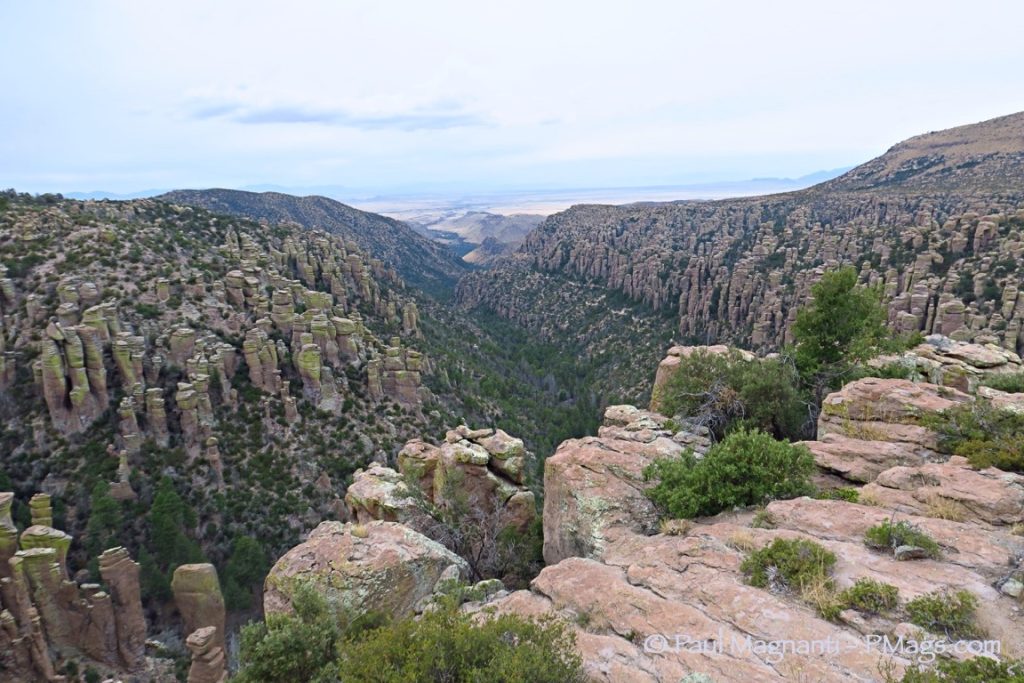
And, as one commenter speculated:
Not only will the increased visitor traffic overwhelm the Monument, it will overflow into Cochise Stronghold, Coronado National Forest, Cave Creek Canyon and Whitewater draw creating more degradation. The only winner will be the Wilcox [businesses]
The impacts likely won’t stop at the park boundary. Surrounding public lands could face additional pressure without receiving more resources to protect them. Meanwhile, the few land managers on the ground may find themselves shouldering even more work.
What Jim Stiles wrote nearly twenty years ago about Moab applies all too well here:
Old West versus New West? Sometimes it’s difficult to tell that anything has changed at all. The extractive industries are alive and well. The glitter had a different glint, that’s all.